Marine SCR Service & Maintenance: 10 Things Ship Operators Should Know
SCR systems can lose NOx reduction efficiency for months before control system alarms trigger. This post outlines the 10 most common SCR maintenance risks — from catalyst deactivation and urea overdosing to exhaust temperature issues and upstream engine conditions — and explains what proactive service looks like in practice.
SCR systems are among the most technically demanding components in a modern vessel's exhaust treatment setup — and also among the most likely to underperform quietly. NOx reduction efficiency can decline for months before control system alarms activate, leaving operators exposed to compliance risk they are not aware of.
For shipowners and fleet managers operating under IMO Tier III requirements or within Emission Control Areas, the cost of an underperforming SCR system is not just regulatory. Catalyst damage, unplanned downtime, and excess urea consumption all affect the bottom line directly.
The 10 points below draw on common findings from our marine SCR service and maintenance work carried out onboard vessels across different vessel types and operating profiles. They are intended to help technical superintendents and fleet managers identify where SCR performance risk is most likely to develop — and what can be done about it before it becomes a compliance or operational problem.
Why SCR Catalyst Performance Declines Faster Than You Expect
Catalyst degradation is rarely sudden. These four points cover the most common and most overlooked reasons SCR catalyst activity drops ahead of schedule.
1. Regular SCR Health Checks Can Extend Catalyst Lifetime by Several Years
Catalyst activity declines gradually and often goes unnoticed until NOx margins become critical. Early detection of deactivation trends prevents premature replacement and unexpected non-compliance.
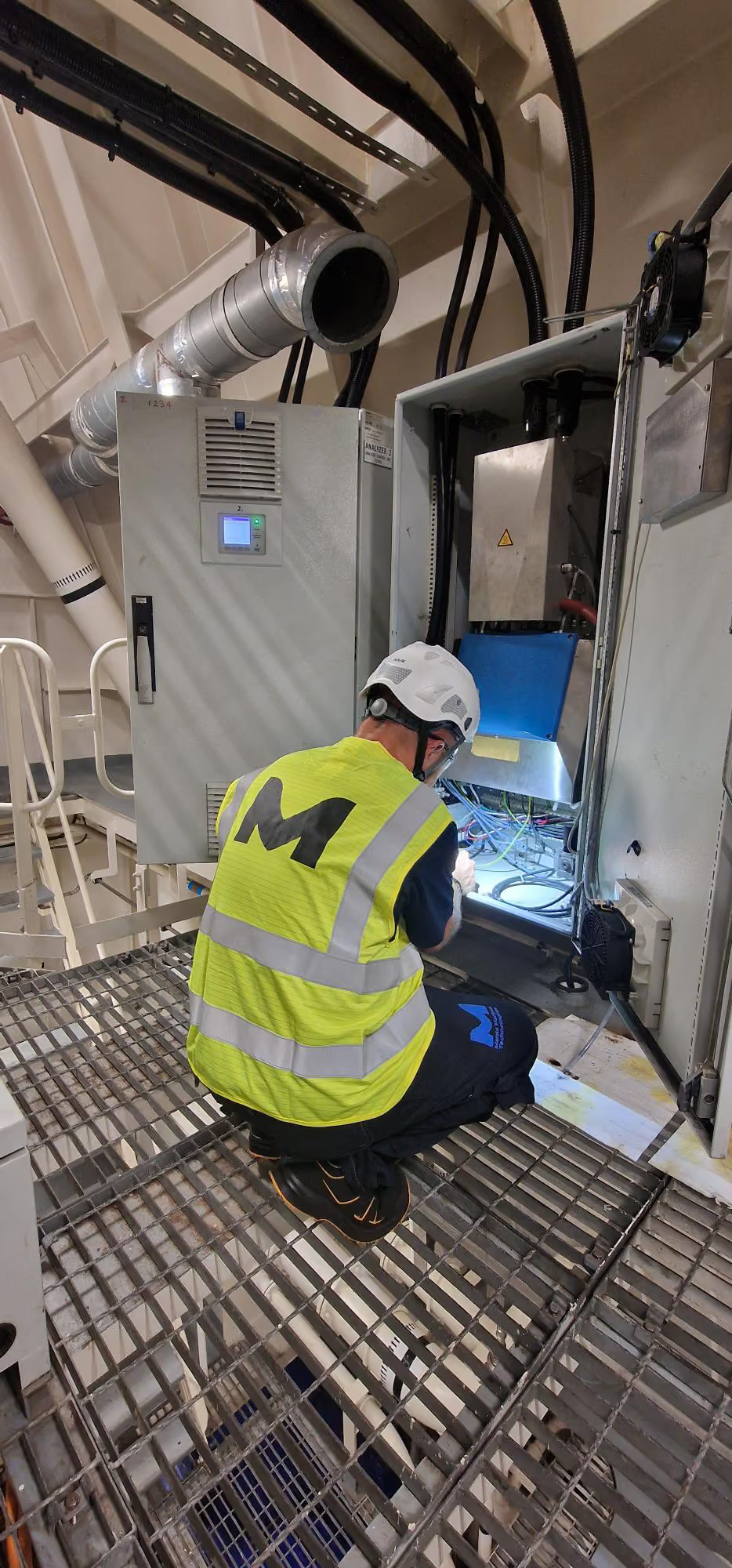
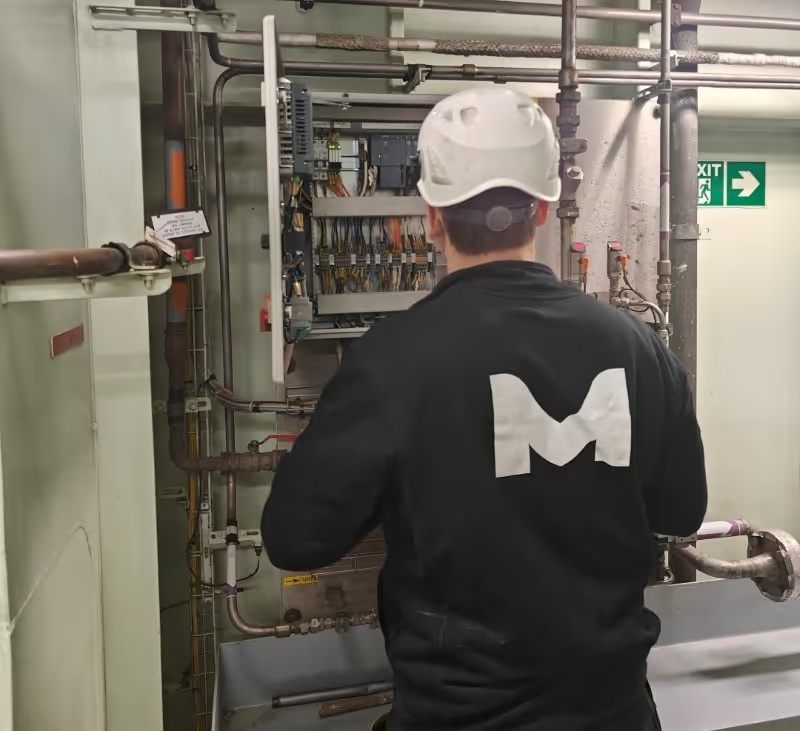
We provide SCR health assessments including activity measurement, system inspection, and performance verification to maximise catalyst lifecycle value.
2. Catalyst Deactivation Is Driven by Fuel Quality and Engine Operation, Not Age Alone
High sulfur content, oil carryover, dust, and prolonged low-load operation can significantly accelerate catalyst poisoning and fouling, independent of how old the catalyst is.
Our SCR performance checks identify early deactivation trends and support proactive maintenance planning before damage becomes costly.
3. SCR Reactors Clog Over Time From Soot, Ash, and Urea Deposits
Deposit buildup restricts exhaust flow, increases backpressure, and can reduce engine efficiency and raise fuel consumption across the fleet.
We perform onboard catalyst inspection and can retrofit soot blower systems to restore optimal flow conditions and protect engine performance.
4. Most SCR Problems Originate From Upstream Engine Conditions
Poor combustion, turbocharger wear, or oil carryover can poison catalysts and reduce SCR efficiency long before any alarms are triggered.
We assess the complete exhaust system, from engine outlet to reactor, to prevent avoidable catalyst damage and catch problems at the source.
Dosing System Performance and Urea Quality
The urea dosing system is one of the most common sources of SCR underperformance. Overdosing, calibration drift, and off-spec urea each carry their own risks — and their own costs.
5. Urea Overdosing Damages the Catalyst and Increases Operating Costs
Excessive dosing leads to ammonia slip, deposit formation, and accelerated catalyst degradation, while also driving up urea consumption unnecessarily.
We perform onboard NOx measurements and dosing optimisation to protect catalyst integrity and reduce operational expenses.
6. An Uncalibrated Urea Injection System Reduces NOx Reduction Efficiency
Injection drift, nozzle wear, or control deviations cause underdosing or overdosing, both of which erode compliance margins and cost efficiency.
We provide precise dosing calibration and control system verification to maintain optimal NOx reduction performance.
7. Incorrect Urea Concentration Damages the SCR Injection System
Off-spec or contaminated urea solution causes crystallisation, corrosion, and blockage of dosing components, often leading to unplanned downtime.
We offer urea quality verification and system flushing services to protect injection equipment and ensure stable, compliant operation.
System Monitoring, Temperature, and Compliance Risk
SCR compliance is not just about the catalyst and the dosing system. Engine changes, operating temperature, and over-reliance on alarms are three areas where operators are routinely caught off guard.
8. Engine Upgrades Can Put SCR Compliance at Risk
Improved engine efficiency does not automatically ensure compliant NOx levels. Changes in load profile, exhaust temperature, or backpressure directly affect SCR performance.
We recalibrate and validate SCR systems following engine modifications to ensure continued compliance and stable operation.
9. SCR Efficiency Drops Sharply Outside the Optimal Exhaust Temperature Range
Below the optimal temperature window, NOx conversion efficiency falls significantly and deposits may form inside the reactor, risks that are easy to miss without active monitoring.
We verify exhaust temperature profiles across the load range and adjust injection strategy for reliable SCR performance under all operating conditions.
10. SCR Performance Margins Decline Long Before Control System Alarms Activate
Control systems often indicate normal operation while catalyst activity has already dropped below optimal levels. Relying on alarms alone creates a false sense of compliance.
We conduct detailed SCR performance testing and NOx verification to confirm real compliance margins, not just system status indications.
SCR systems reward attention. The issues outlined above rarely announce themselves — they develop gradually, often across multiple systems simultaneously, and become expensive precisely because they go undetected for too long.
Manta Marine offers comprehensive marine SCR service and maintenance, covering everything from catalyst health assessments and dosing calibration to full system verification and onboard NOx measurement. If you are unsure where your SCR system stands, that is usually reason enough to find out.

Filip Grönbäck Orre
Filip has a background in mechanical and electrical engineering and several years of hands-on experience from the North Sea offshore sector. Within Manta Marine Technologies, he has held positions as Commissioning Engineer and Fleet Manager, gaining a deep technical understanding of vessel systems and onboard operations. Earlier in his career, Filip was part of a technology start-up, an experience that strengthened his entrepreneurial mindset and problem-solving approach, qualities that continue to shape his work today. At Manta Marine Technologies, he now serves as Commercial Manager, focusing on business development and technical project sales across all product lines. His main market focus is Benelux, the UK, and Germany