Maritime Vessel Reporting Software: How Fleet Analytics Simplifies Compliance and Reduces Administrative Burden
Vessels generate mountains of valuable data, yet crew members still spend hours manually entering the same information into compliance reports. Discover how Fleet Analytics eliminates this inefficiency with an intuitive approach that makes reporting feel effortless.
In the maritime industry, there's a troubling paradox: as technology advances and our ability to optimise vessel performance improves, the administrative burden on ship operators continues to grow heavier. Shipping companies today face an unprecedented challenge: meeting increasingly complex regulatory requirements whilst trying to maintain operational efficiency.
The numbers tell a sobering story. With frameworks like IMO DCS, EU MRV, and EU ETS constantly evolving, and new fuel types requiring meticulous tracking, some organisations are reaching a breaking point. The traditional approach to vessel reporting, spreadsheets, multiple forms, and manual data entry is no longer just time-consuming. It's become a significant operational liability that can require additional staff just to keep reports compliant.
But here's what makes this problem particularly frustrating: vessels are already generating mountains of valuable data through onboard sensors and monitoring equipment. That data just sits in one system whilst crew members manually input similar information into another. The inefficiency isn't just about wasted time, it's about wasted potential.
What modern maritime reporting solutions should deliver
The maritime industry deserves better. An ideal ship reporting system should accomplish three critical goals:
First, it should be quick and intuitive. Crew members have demanding jobs, and reporting shouldn't add hours to their daily workload. The system needs to respect their time whilst ensuring accuracy.
Second, it should unify data sources. Manually logged information and automatically collected sensor data should live together, creating a complete picture of vessel operations rather than fragmented datasets scattered across multiple systems.
Third, it should be future-proof. As regulations evolve and new fuels enter the market, the system should adapt without requiring users to learn entirely new workflows or adding layers of complexity to their daily tasks.
The question is: does such a solution exist?
Fleet Analytics: Advanced maritime reporting made simple
At Manta Marine, we believe in a simple philosophy: if you can measure it, you can manage it. But we also know that measurement only creates value when it's easy to capture, analyse, and act upon. That's why we added a vessel reporting feature to Fleet Analytics, our platform for extracting true value from vessel data. This new feature brings a revolutionary approach to reporting.
Intuitive timeline interface for vessel activity tracking
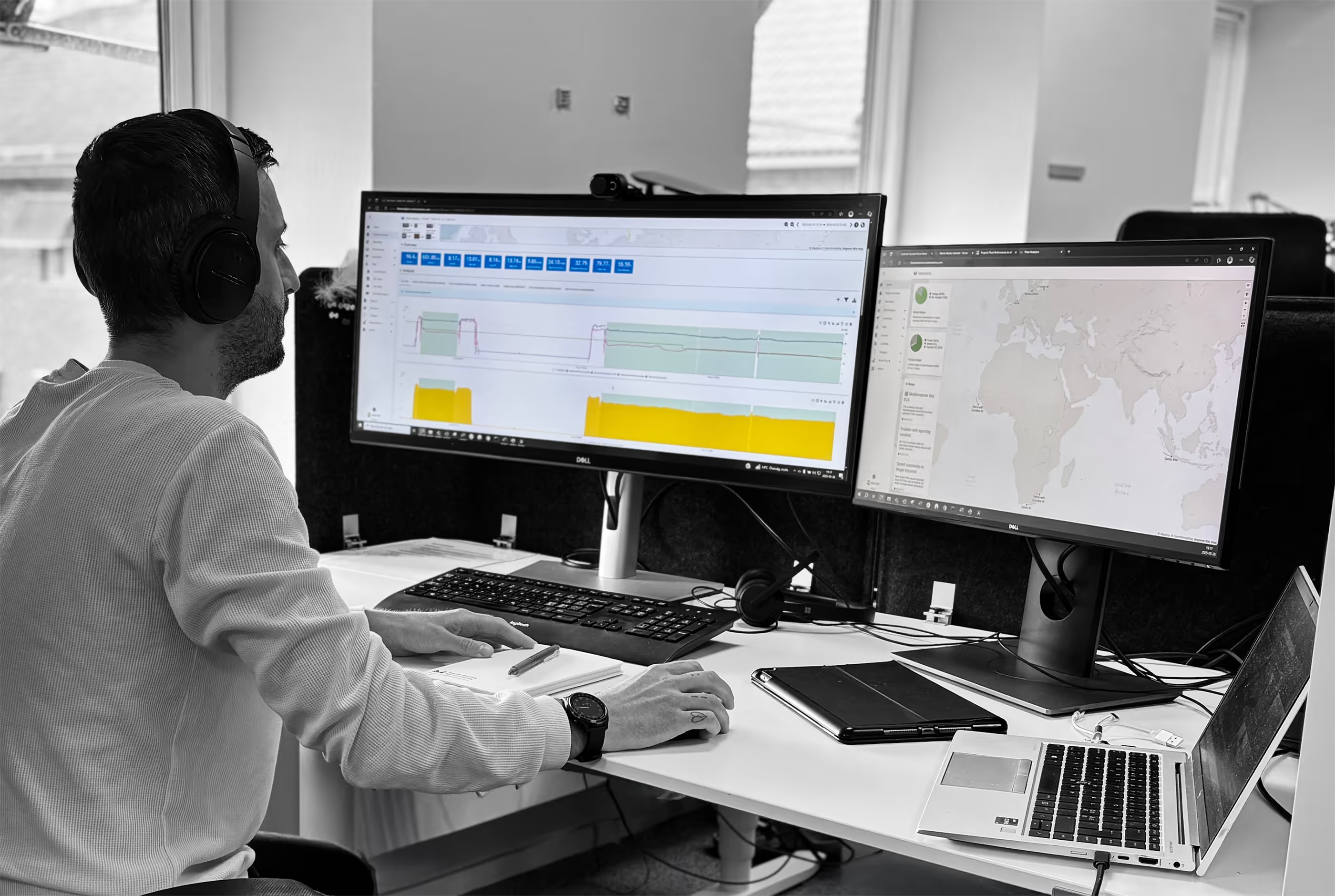
At the heart of the Fleet Analytics reporting feature is an intuitive timeline concept that transforms reporting from a chore into a streamlined process. Instead of filling out multiple tables or forms, the reporting user - typically the onboard crew - simply cuts, drags, and edits a visual timeline that represents the vessel's activities.

This timeline approach requires only a couple of minutes of daily work, replacing what used to be a tedious and time-consuming task. As the user updates the timeline, input fields dynamically appear based on the specific activity and the vessel's available measurement equipment. If the vessel is at berth performing a cargo operation, the system requests cargo amount and draft information. If it's underway, it focuses on consumption data and fuel types.
But here's where Fleet Analytics truly shines: if the vessel is equipped with monitoring equipment, that data automatically populates in the reporting tool. No more manually transcribing readings from one system to another. No more risk of transcription errors or outdated information. The data flows seamlessly, and accuracy improves dramatically.
Integrated data management for fleet performance optimisation
One of the most persistent inefficiencies in maritime operations is data fragmentation. Sensor data ends up in one place, manual logs in another, and creating a unified dataset requires painstaking manual work - if it happens at all.
Fleet Analytics solves this by combining manually entered timeline data with automatically logged time series data from the vessel. This creates an enhanced dataset that unlocks genuine operational insights.
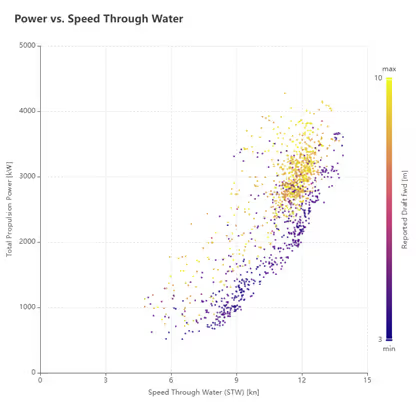
Consider this practical example: automatic data loggers capture detailed, high-frequency measurements of shaft power and speed through water - represented as individual points in a scatter plot. However, vessel draft information can only come from manual crew reports. Fleet Analytics brings these separate data sources together effortlessly, enabling performance analysis to be segmented by different loading conditions. This distinction is essential for gaining accurate insights into how a vessel truly performs and it’s a requirement for applying more advanced analytics methods such as machine learning algorithms to extract even more value from the data. This isn't just about having more data. It's about transforming raw measurements into actionable knowledge that can drive real optimisation.
Fuel tracking and emissions reporting compliance made easy
As reporting requirements become more sophisticated, Fleet Analytics becomes even more valuable. Behind the simple timeline interface lies carefully designed logic that continuously updates as regulatory demands evolve.
Take the introduction of new fuels and fuel blends as an example. Traditional reporting formats would spiral into complexity, potentially requiring additional staff just to maintain compliance. With Fleet Analytics, the increased complexity is barely noticeable to users.
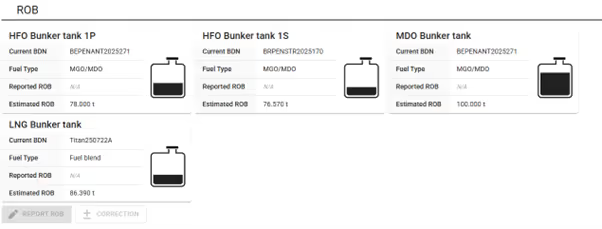
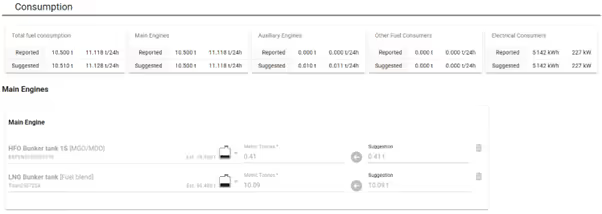
Our tank-based and BDN-based reporting logic extends the intuitive interface to include simple methods for reporting bunkering and consumption of any fuel type. Even complex scenarios, like a vessel running its main engine on dual fuel, consuming two different fuels simultaneously, are handled effortlessly. The system tracks what goes into fuel tanks, what's consumed, and when, all without overwhelming the user.
Multi-format compliance: IMO DCS, EU MRV, and EU ETS reporting
Perhaps the most elegant aspect of Fleet Analytics is its flexibility. Whether you're compiling a report for internal analysis, supplying data for emissions trading statements, or complying with IMO requirements, the input method remains identical.
Fleet Analytics automatically handles output formatting, ensuring compatibility with all major standards including IMO DCS, EU MRV, and EU ETS. Add full integration with validation services like DNV's Veracity platform, which can receive automated and scheduled uploads of reported data, and you have a complete, future-proof reporting solution.
Real results from our customers
The simplistic and intuitive approach in developing Fleet Analytics has resulted in continuous positive feedback from users who appreciate the streamlined work process and interface. Here's what one of our loyal customers has to say about their experience:
"The Fleet Analytics reporting feature drastically reduces the time we spend collecting and compiling reports. The increase in reporting demands and the ever-growing complexity of reporting 'the right way' is handled with ease in Fleet Analytics. We are very happy with the user friendliness and the efficiency that Fleet Analytics brings to our operations. We are now at a level of reporting that would not have been possible with our old methods and systems. We put full trust in Manta Marine keeping us compliant going forward."
Benhamin Fhager, Environmental Manager, Sirius Shipping
Complete Vessel Optimisation with Manta Marine Technologies
Fleet Analytics isn't just a standalone tool. When coupled with our FuelOpt or ShipSense systems, which include tools for optimized control of your propulsion system and state-of-the-art data logging, you unlock the full potential of your vessel operations.
We're not just helping you meet today's reporting requirements. We're ensuring you're ready for whatever comes next, with a system designed to grow more valuable as complexity increases rather than becoming more burdensome.
If you're serious about increasing the efficiency of your reporting activities whilst ensuring your organisation is prepared for the future, Fleet Analytics has you covered. Because at Manta Marine, increasing efficiency isn't just about getting from A to B with less fuel - it's about making every aspect of your operations more intelligent, more streamlined, and more effective.
Ready to revolutionise your reporting? Contact us today to learn how Fleet Analytics can transform your fleet operations.

Anders Bergh
Anders has an engineering degree in engineering physics. He has spent all of his professional +15 years in the marine industry with a strong focus on operational efficiency and propulsion optimisation. He’s been in various roles including project management, product development, sales, fleet performance and operations management. He’s currently leading Vessel Optimisation’s project execution team.